





What Is a Tuxedo? Key Differences Between a Suit and a Tuxedo
When preparing for a wedding, a gala, or a formal celebration, the question of what to wear leads to a classic debate: should you wear a suit or a tuxedo? To the untrained eye, they might look similar, but the differences are rooted in tradition, fabric, and the message you want to send. At Karako Suits, we believe that understanding these nuances is the key to dressing with confidence for your next big event. Here is a comprehensive breakdown of what defines a tuxedo and how it differs from a standard suit.
The Defining Feature: Satin
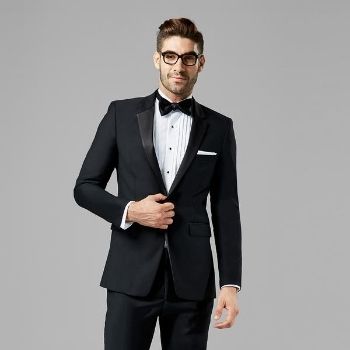
The most significant physical difference between a tuxedo and a suit is the presence of satin. On a tuxedo, you will find satin detailing in several key areas. The lapels are faced with satin, typically in a peak or shawl style. There is also a satin stripe running down the outer leg of the trousers, and the buttons are usually covered in the same satin fabric.
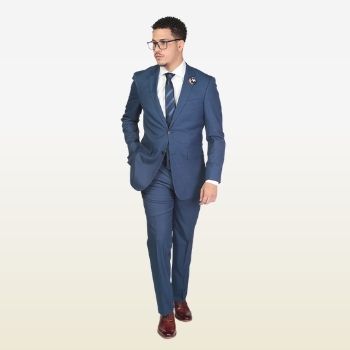
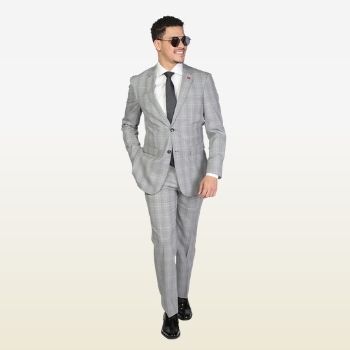
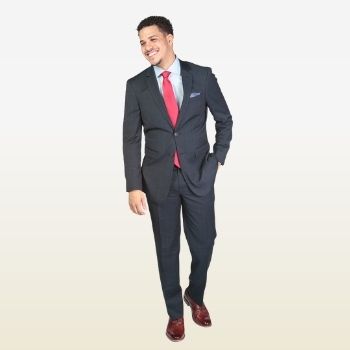
In contrast, a suit is made entirely from the same consistent fabric. The lapels, the buttons, and the trousers lack any satin trim. Suit buttons are typically made of plastic, bone, or wood, and the jacket lapels are made of the same wool or blend as the rest of the garment.
The Supporting Elements: Accessories
Because a tuxedo is more formal, the accessories required to complete the look are more specific and traditional.
The Shirt
A tuxedo is almost always worn with a white shirt that features a wing collar or a turndown collar. These shirts often have a pleated front called a bib and use shirt studs instead of buttons. While you can wear a regular white dress shirt with a suit, a tuxedo shirt is designed to elevate the formality of the entire ensemble.
The Neckwear
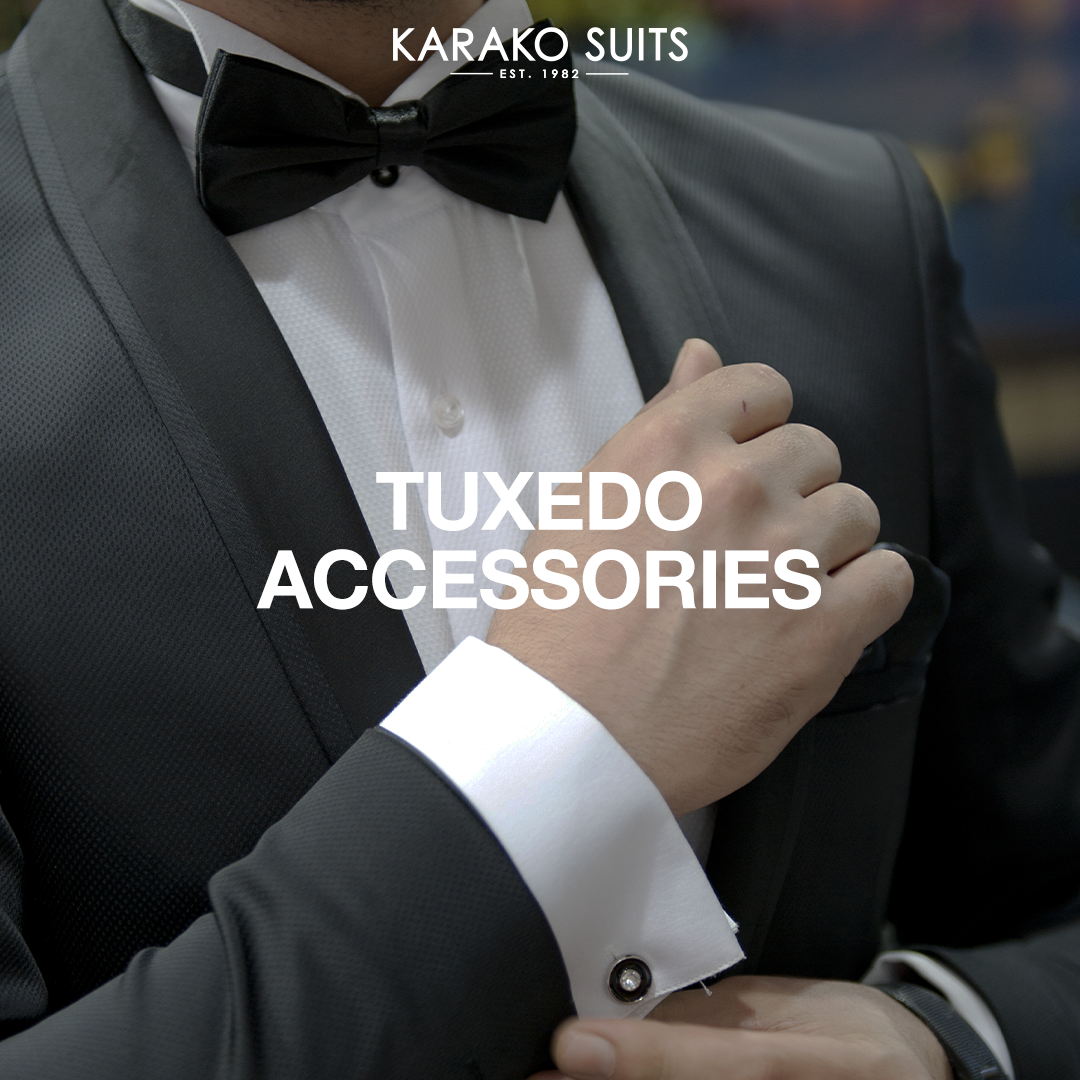
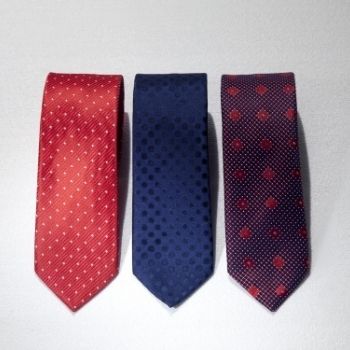
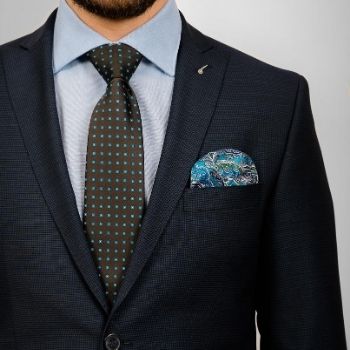
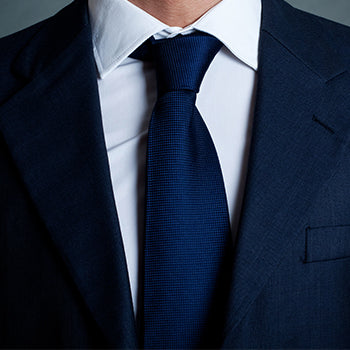
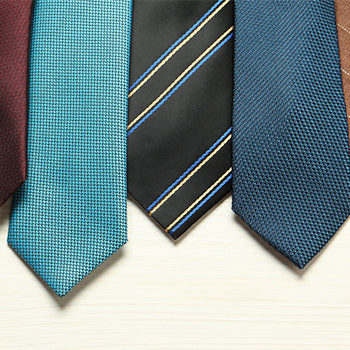
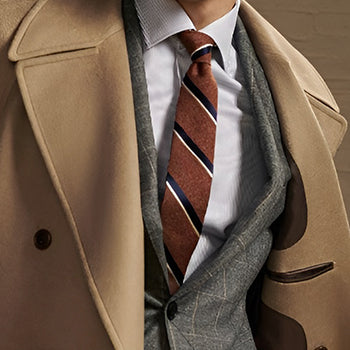
Tradition dictates that a tuxedo is paired with a bow tie. While modern fashion occasionally allows for a long necktie with a tuxedo, the classic black bow tie remains the standard. Suits, on the other hand, are much more versatile. You can wear them with a long tie, a bow tie, or even no tie at all for a more casual, open collar look.
The Waist
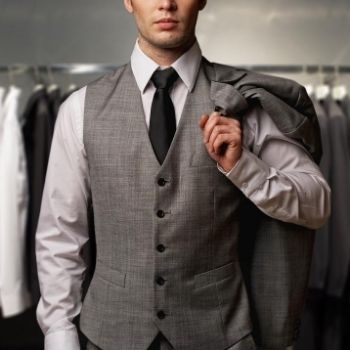
Tuxedos are traditionally worn with either a waistcoat or a cummerbund. This serves to cover the waist and ensure that the white of the shirt does not peek out from under the button of the jacket. Suits rarely require a cummerbund, though a three piece suit with a matching vest is a popular choice for added sophistication.
Shoes and Hosiery
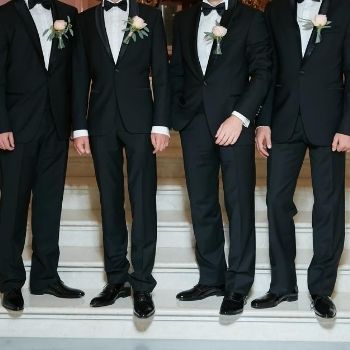
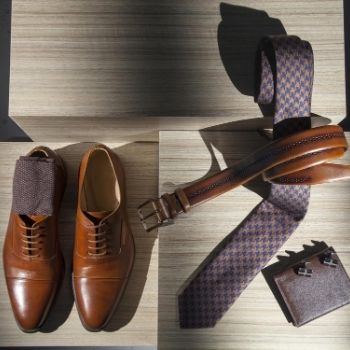
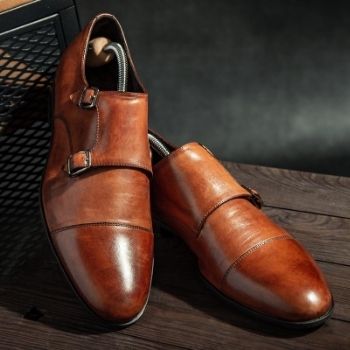
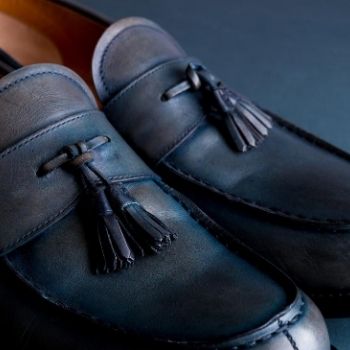
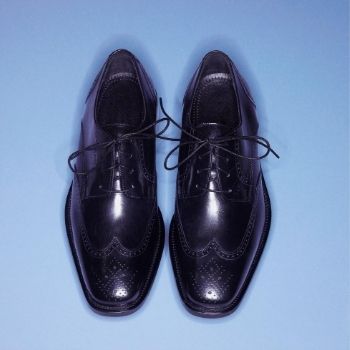
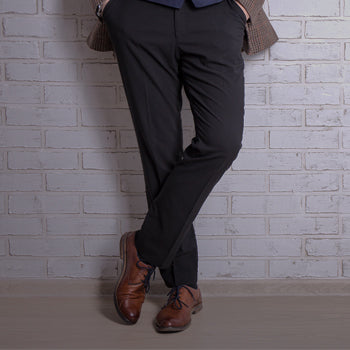
The footwear you choose can make or break the distinction between these two styles. A tuxedo requires formal patent leather shoes or highly polished calfskin. The goal is a mirror like shine that complements the satin on the lapels. Suits are much more flexible, allowing for oxfords, loafers, or even brogues in various shades of black, brown, or tan.
The Message and the Occasion
Beyond the physical materials, the choice between a suit and a tuxedo comes down to the "vibe" of the event.
A suit is the workhorse of the modern wardrobe. It is appropriate for business meetings, funerals, and semi-formal parties. It suggests professionalism and refined style. A tuxedo is reserved for special moments. It is a celebratory garment that tells the world this day is different from the rest. When a man puts on a tuxedo, he is honoring the occasion and the people hosting it.
Making Your Selection
If the invitation says "Black Tie," a tuxedo is mandatory. If the invitation says "Black Tie Optional," you have the choice, but a tuxedo will ensure you are never underdressed. For any other event, a well tailored suit is a safe and stylish bet.
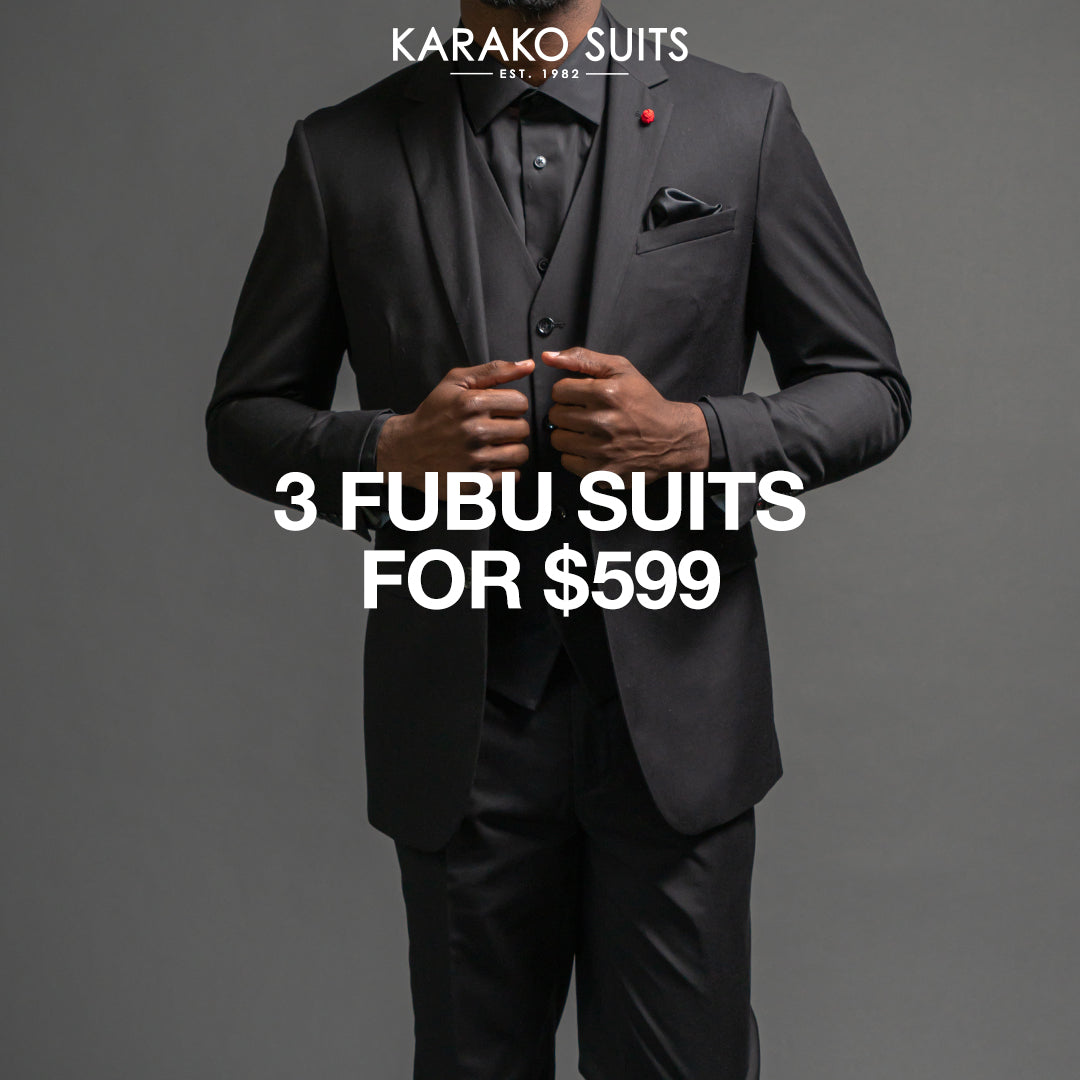
Whether you are looking for your first tuxedo or a versatile new suit, the experts at Karako Suits are here to help you find the perfect fit. Visit us today to explore our collection and ensure you look your best for every occasion on your calendar.


